Why Sticker-Pack Posts Outperform on Social (And How Creators Use Them)
'I made stickers of my boyfriend' posts reliably outperform on visual platforms. The anatomy of the format: grid covers, relationship hooks, and the commission funnel.
 KakaMeme Editorial TeamPublished
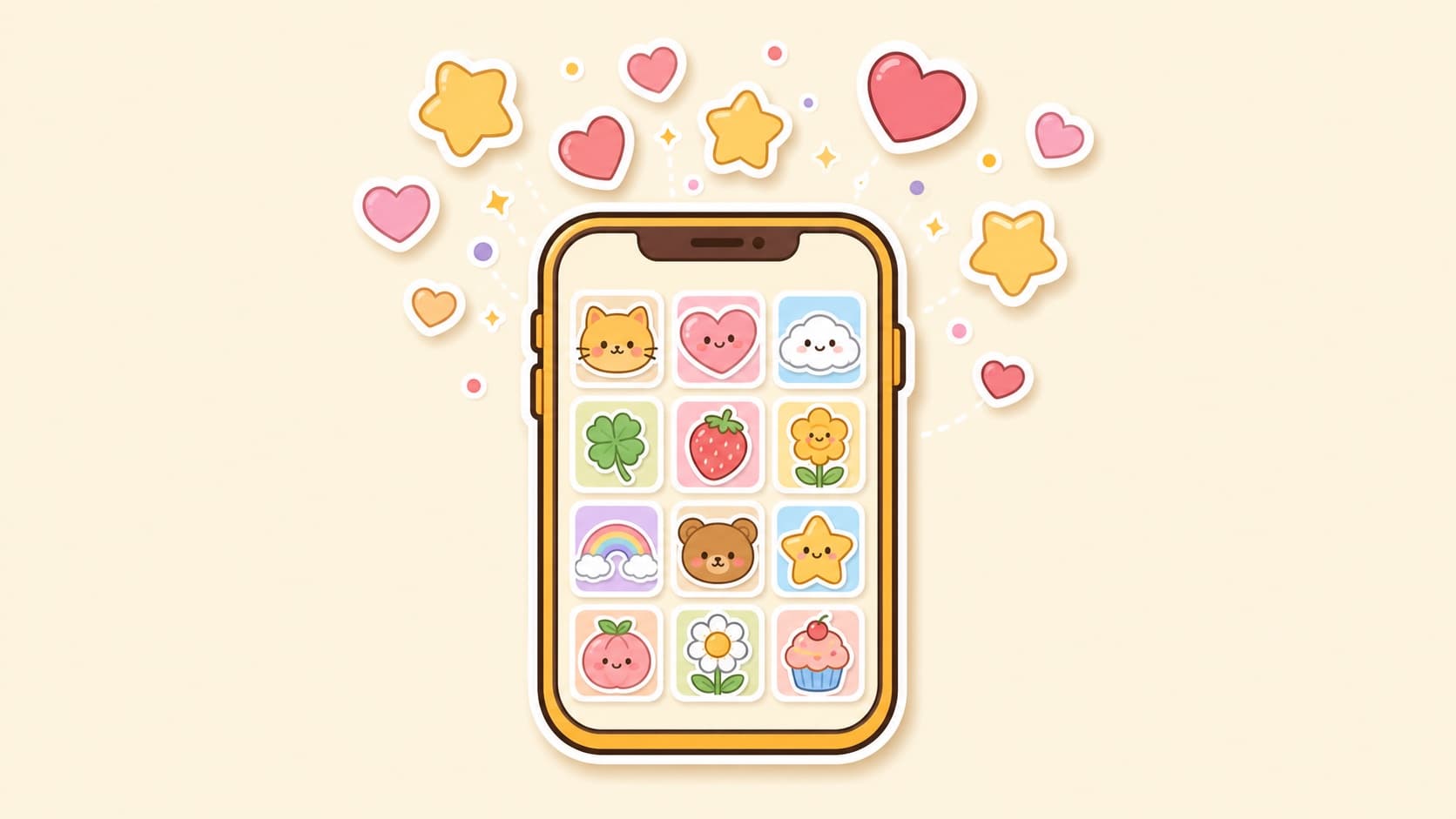
Scroll any visual platform and you'll spot the pattern: "I made a sticker pack of my boyfriend/mom/dog" posts pull outsized engagement. The mechanics are simple — 12-sticker grids make loud covers, relationship subjects carry emotional charge, and every viewer has someone they'd make one for. Here's the format, decomposed for creators.
Why the format wins
- The cover IS the content: a 12-expression grid is dense, expressive, and stops thumbs
- Relationship hooks: "for my mom" / "for my girlfriend" invites "make one for me" comments automatically
- Zero explanation needed: everyone already uses stickers
The repeatable topic formula
"I made a [occasion] sticker pack for [person]", ranked by proven demand:
- Boyfriend/girlfriend (gift-angle guide)
- Parents (the filial classic)
- Pets (highest demand of all)
- The friend group (multi-character packs)
- Newlyweds (wedding edition)
Production-side, every topic is the same pipeline — one photo to a full pack — so daily posting is actually sustainable.
Post anatomy
- Cover: the 12-sticker grid
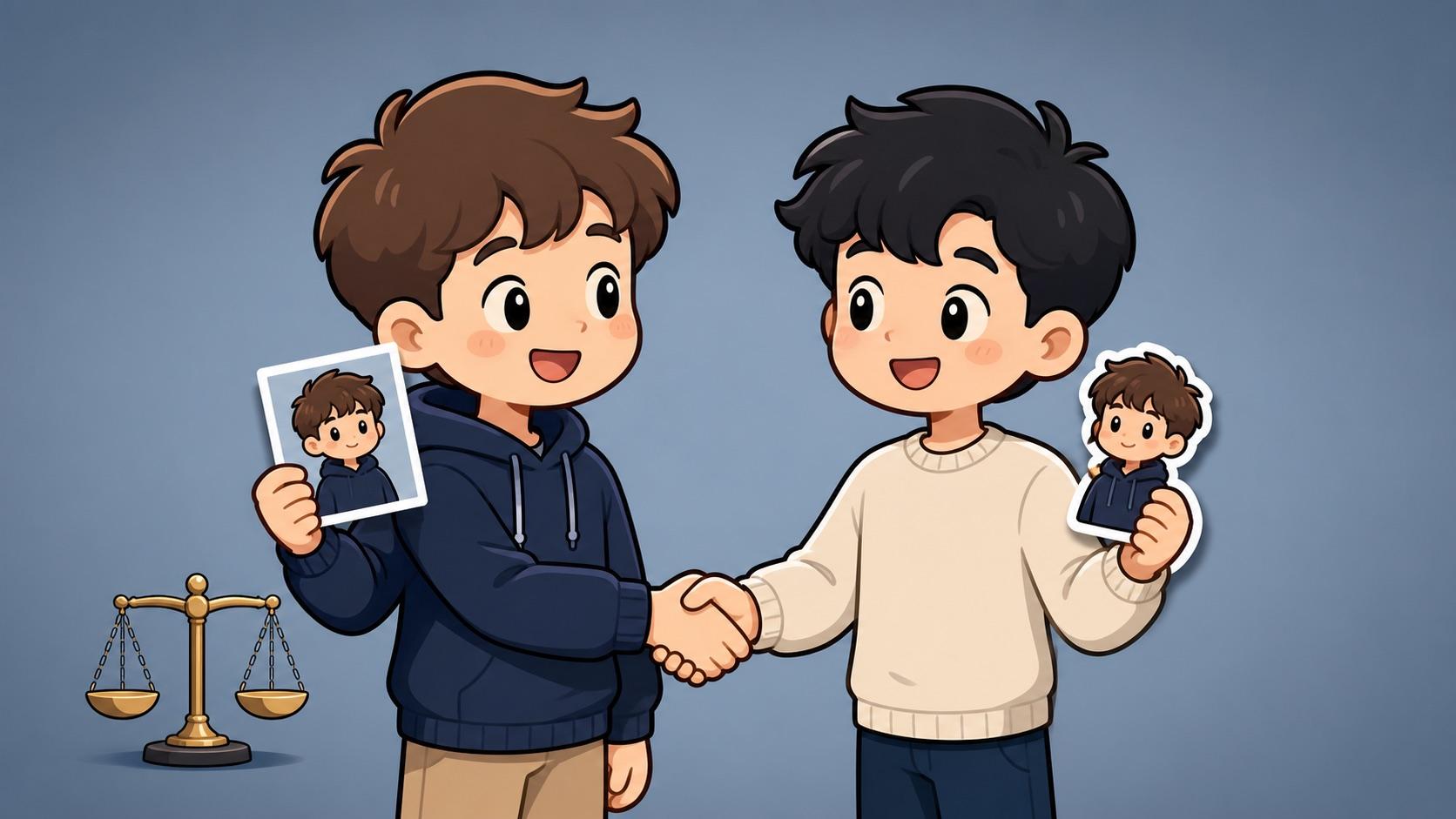
- Slides 2-3: original photo vs sticker side-by-side (the "whoa" source)
- Slides 4+: close-ups of 2-3 best stickers
- Caption: one-line story open ("year 3 of long distance, so I made him a pack of me") + light process + comment bait ("who would you make one for?")
The funnel, honestly
Engagement → "make me one" comments → either commissions ($10-30/pack; pricing in the economics guide) or tutorial content that compounds into an audience. No link spam — reply naturally in comments.
What not to do
- No celebrity subjects, however tempting (the legal reality)
- Commission photos must come from the client, with consent
- Don't fake income screenshots; audiences reward the honest version
Turn this guide’s idea into stickers
Upload a character photo or describe your idea, then choose how to generate it.
Open the studio Upload a photo, write an idea or use the article’s example. This article has its own draft, separate from your home draft.