Are Celebrity Sticker Packs Legal? Rights and Licensing Guide
A practical guide to portrait rights, photo copyright, consent, private sharing, public distribution, and licensing for celebrity-inspired stickers.
Celebrity-inspired stickers raise two separate questions: permission to use a person's likeness and permission to reuse the source photo or artwork. This guide maps the main risks and lower-risk alternatives; it does not promise a universally "safe" exception.
The two hard lines
Likeness and publicity rights. Distributing a recognizable person's face without consent can create a claim under the law that applies to that person and use. Commercial use, advertising, and paid commissions generally increase risk, but U.S. rules vary by state and include speech-related exceptions.
Copyright. Film frames, stage photos, and professional shoots may be protected by copyright. Taking a screenshot does not transfer the rights in the underlying image to you.
Sticker stores and public galleries apply their own moderation and rights rules. Check the current WeChat sticker submission guide and the relevant platform policy instead of assuming approval or rejection.
Lower-risk options for fan creators
1. Truly original characters — start from a generic brief rather than a real photo, name, or distinctive protected design. A "vibe" can still be too close if the result deliberately identifies a particular person or copies protected expression, so review the output.
2. Limit distribution — a private, noncommercial context usually creates less exposure than a public listing or sale, but it is not a blanket legal exception.
3. Use official licensing channels for merchandise — if a pack will be distributed or sold, seek permission from the relevant likeness and copyright holders.
How KakaMeme handles it
The generation pipeline can produce original or photo-based characters, but KakaMeme does not grant rights in the source material. Public distribution and monetization increase exposure; private use can still be restricted by local law or an agreement. Lower-risk subjects include yourself, friends who gave clear permission, and your pet, while separately checking who owns each source photo.
FAQ
There are many celebrity packs online — does that make them legal? No. Availability online does not establish permission, but legality still depends on the facts, jurisdiction, and any applicable exception.
Does a "will delete if infringing" disclaimer create permission? No. It does not itself supply consent or a copyright license.
Is an AI "lookalike vibe" infringing? It depends on recognizability, protected source material, purpose, and local law. Avoiding photos, names, and sales can reduce some risks, but it is not a guarantee.
Official sources and further reading
- California Civil Code § 3344 — one U.S. state's consent rule for commercial use of a person's photograph or likeness; other jurisdictions differ.
- U.S. Copyright Office: what photographers should know — official guidance on ownership and rights in photographs.
This article provides general information, not legal advice. Likeness, copyright, fair-use, and private-use rules depend on the jurisdiction and facts.
Make packs of people who'll fight you for them, not sue you: start with yourself →
More Posts
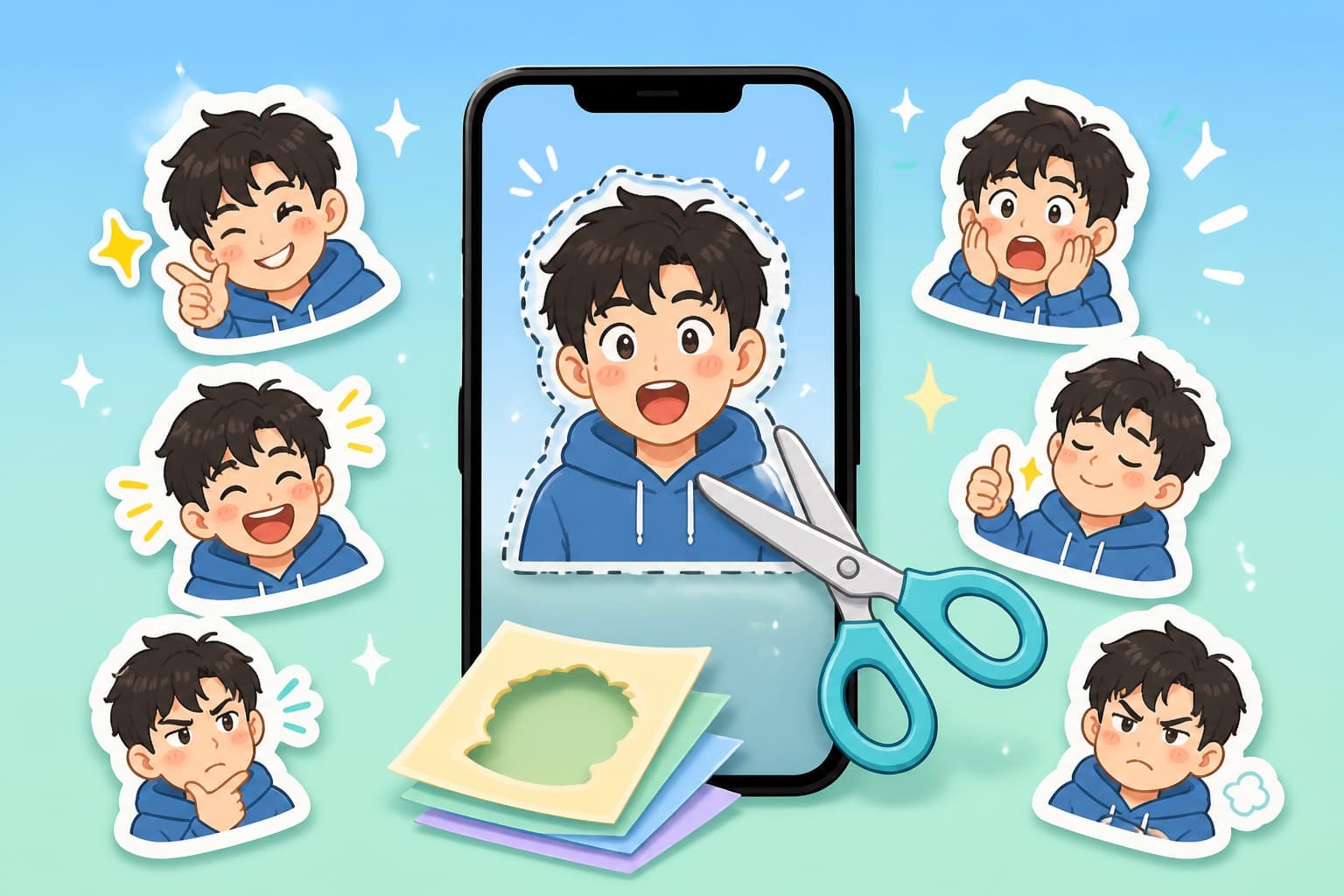
How to Make Snapchat Custom Stickers from Photos: Scissors vs AI Packs (2026)
Snapchat's Scissors tool is great for one cutout sticker. Here is how to use it, when it is enough, and when to generate a full reaction pack first.

Matching Couple Avatars + Stickers from One Photo (AI Guide)
Matching profile pictures are a couple ritual; matching sticker packs are the upgrade. One photo generates both — same characters, same style, one of one.
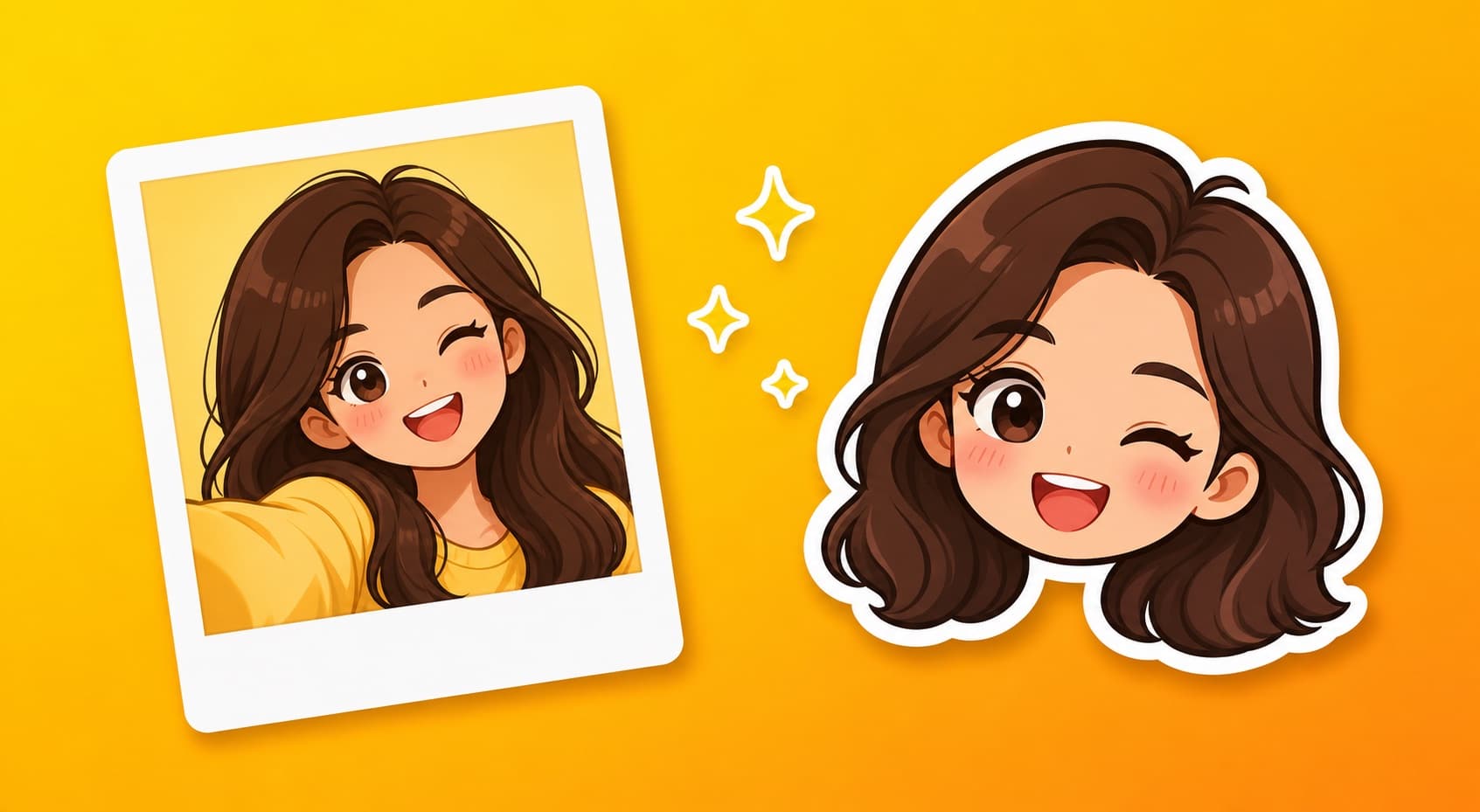
How to Make an Emoji of Yourself from a Photo (Genmoji Alternative, 2026)
Genmoji is iPhone-only and makes one emoji at a time. Here's how anyone — Android, iPhone, or desktop — turns a selfie into a full 12-expression sticker pack.