Why People Use Sticker Packs in Chats: The Social Language Guide (2026)
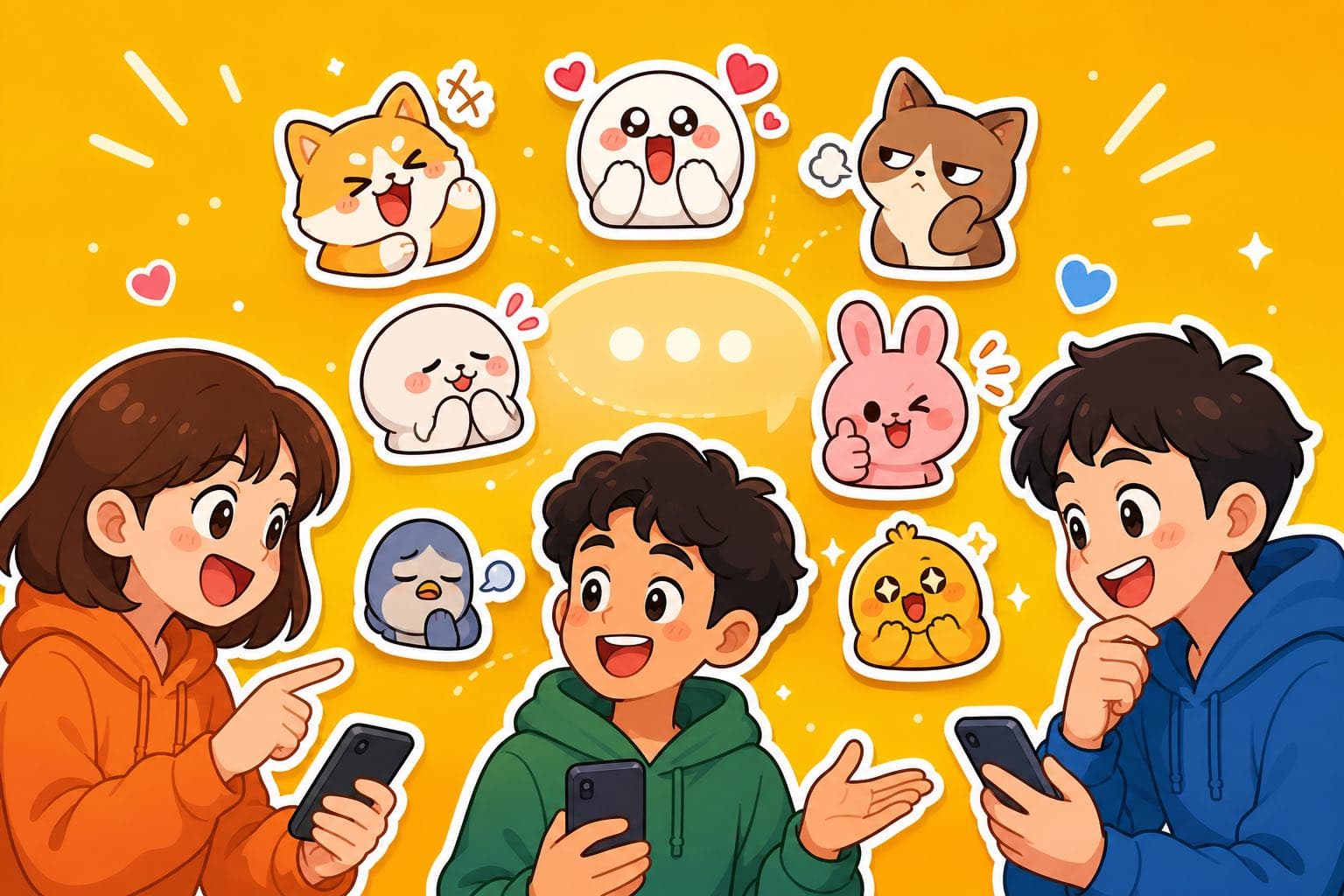
Sticker packs are not just cute images. They soften awkward messages, signal group identity, and turn one photo into a reusable social language.
People do not use sticker packs because typing is hard. They use them because typing is too exact.
"OK" can sound cold. "Fine" can sound angry. A plain "sorry" can feel too heavy for a small mistake. A sticker lets the same message arrive with a face, a tone, and a little plausible deniability. That is why sticker packs survive every app redesign: they solve a social problem text still does badly.
Chinese Youth Daily once described stickers as a "secondary language" of online socializing, citing a campus media survey where more than 70% of college students used stickers to express emotion and more than 60% said stickers helped show friendliness and ease awkwardness. A Guangming Daily piece made the same point through user interviews: stickers add attitude, mood, and context when words feel too stiff.
That is the real reason custom sticker packs work.
Stickers add tone when text is too flat
Most chat tension is not about information. It is about tone.
If your friend says "come downstairs," you can answer "no" and sound rude, or send a sleepy face sticker and sound human. If a teammate drops a long update, you can type "got it" and sound bored, or send a tired thumbs-up that says, "I have received this and I am still alive."
This is why work group chat stickers need a different voice from stickers of your friends. The workplace pack needs polite exhaustion. The friend pack can be chaotic, dramatic, and much more specific.
Stickers reduce awkwardness
The best sticker is often a softener. It lets you say:
- I disagree, but I am not attacking you
- I forgot, but please don't hate me
- I am proud of you, but I refuse to write a speech
- I want attention, but I know that sounds needy
That is why relationship packs work so well. A couple sticker is not just a cute drawing; it is a low-friction way to say "miss you," "good night," "I am still mad," or "feed me" without negotiating the whole emotion. The couple sticker gift guide works because the pack becomes part of the relationship's private grammar.
Parents use stickers differently. In a parent sticker pack, the value is warmth and repeatable care: eat first, drive safely, call me when you arrive. The sticker turns a repeated sentence into affection instead of nagging.
Stickers become group identity
Generic stickers say "I feel this." Custom stickers say "only our group knows why this is funny."
That difference matters. A sticker made from your friend's famous side-eye, your dog's suspicious stare, or a classmate's victory pose becomes a tiny badge of belonging. It is not just an image; it is proof that the sender knows the shared story behind it.
This is where multi-character stickers beat one-off cutouts. A group photo can become a small cast: the planner, the chaos person, the sleepy one, the person who always says "on my way" while still at home. The pack becomes a reusable map of the group's social roles.
Why AI sticker packs feel more useful than cutouts
Most built-in sticker tools create one sticker from one photo. That is fine for a quick joke, but social language needs range. A real pack needs yes, no, laugh, panic, apology, pride, boredom, suspicion, and celebration.
That is why KakaMeme's photo-to-sticker tool starts from one photo and generates a set. The value is not only background removal. The value is consistency: the same face, same outline, same style, different emotions. Once a person looks recognizable across the whole pack, the chat can use that character like a vocabulary.
For idea planning, start with the sticker pack ideas list and choose a role instead of a theme. "My dog as customer support" is stronger than "dog stickers." "Our group chat's apology pack" is stronger than "friend stickers."
Consent still matters
Because sticker packs travel, private jokes need a boundary. Your own face is clean. Pets are clean. Friends are fine when they agree, especially inside the original group. The friend photo rights guide explains why public sharing changes the risk.
Celebrity or idol packs need the three-tier rule: private fan use is the least risky, platform or store submission is likely to be rejected, and commercial use is where real legal exposure starts. Keep that line clear before a sticker pack leaves the chat where it was born.
FAQ
Are stickers just emojis with pictures? No. Emojis are generic symbols. Sticker packs can carry a specific person's face, a group joke, or a repeated relationship script.
Why are custom stickers funnier than random meme images? They have context. The image is tied to a person, a memory, or a shared role inside the chat.
How many stickers does a useful pack need? Twelve is enough for a real starter vocabulary: greeting, yes, no, laugh, shock, facepalm, sorry, proud, sleepy, angry, thinking, and celebration.
Can sticker packs replace text? No. They soften, decorate, and compress emotion, but serious messages still need words.
What should I make first? Start with the person or pet who already has the most repeated reactions in your chat.
More Posts

Selling Custom Cartoon Avatars: The Commission Side-Hustle Playbook
Custom chibi avatars are a proven commission category ($5-20/order on marketplace apps). The AI-era pipeline: pricing tiers, delivery specs, and which orders to refuse.
Custom Slack Emoji of Your Team: The Remote-Culture Hack
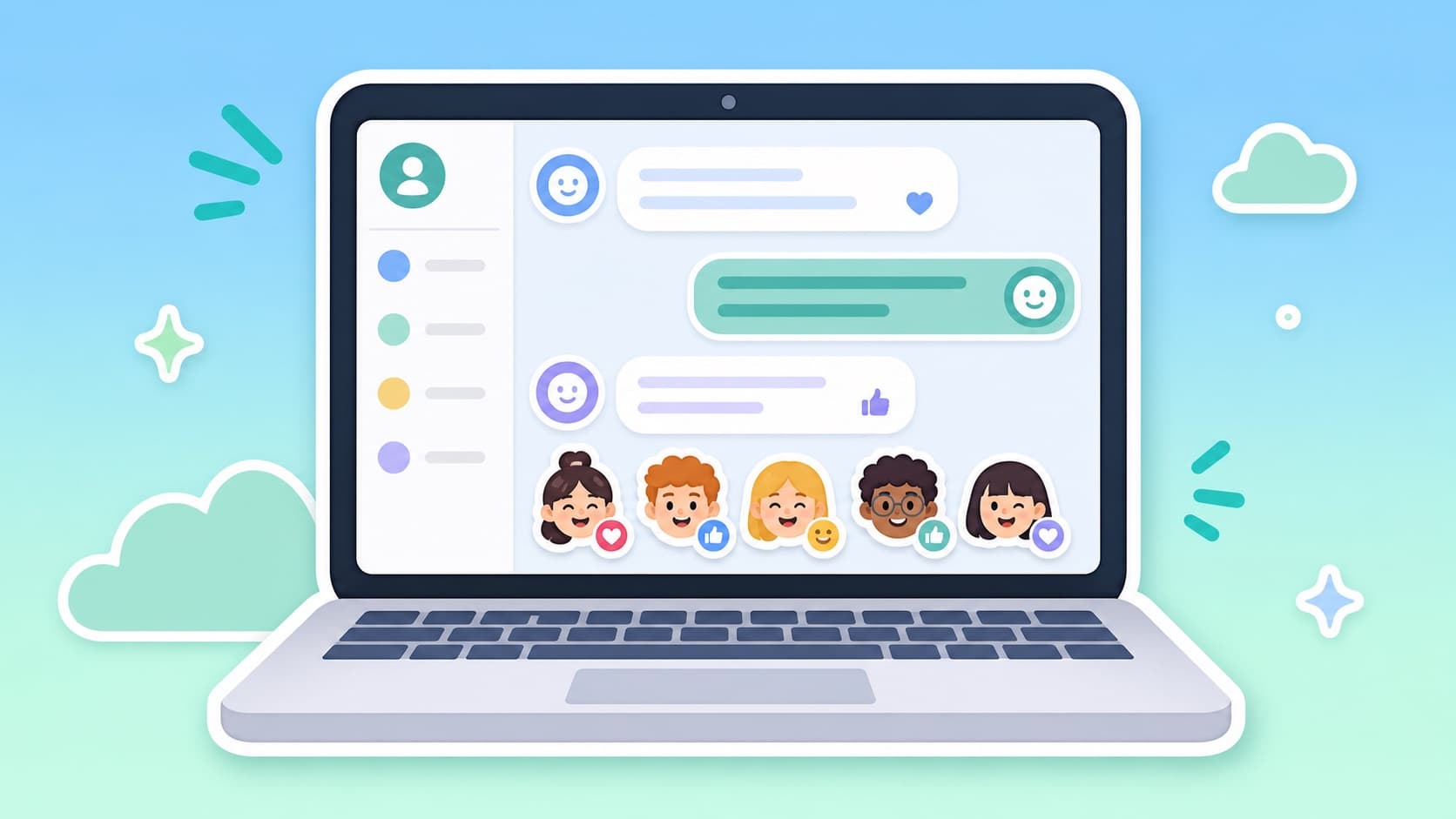
Every strong Slack culture runs on custom emoji. Turn teammates into reaction emoji (with consent), the upload workflow, and why bold cartoon styles survive 22px.
Make a Sticker Pack of Your Parents (The Gift They'll Actually Use Daily)
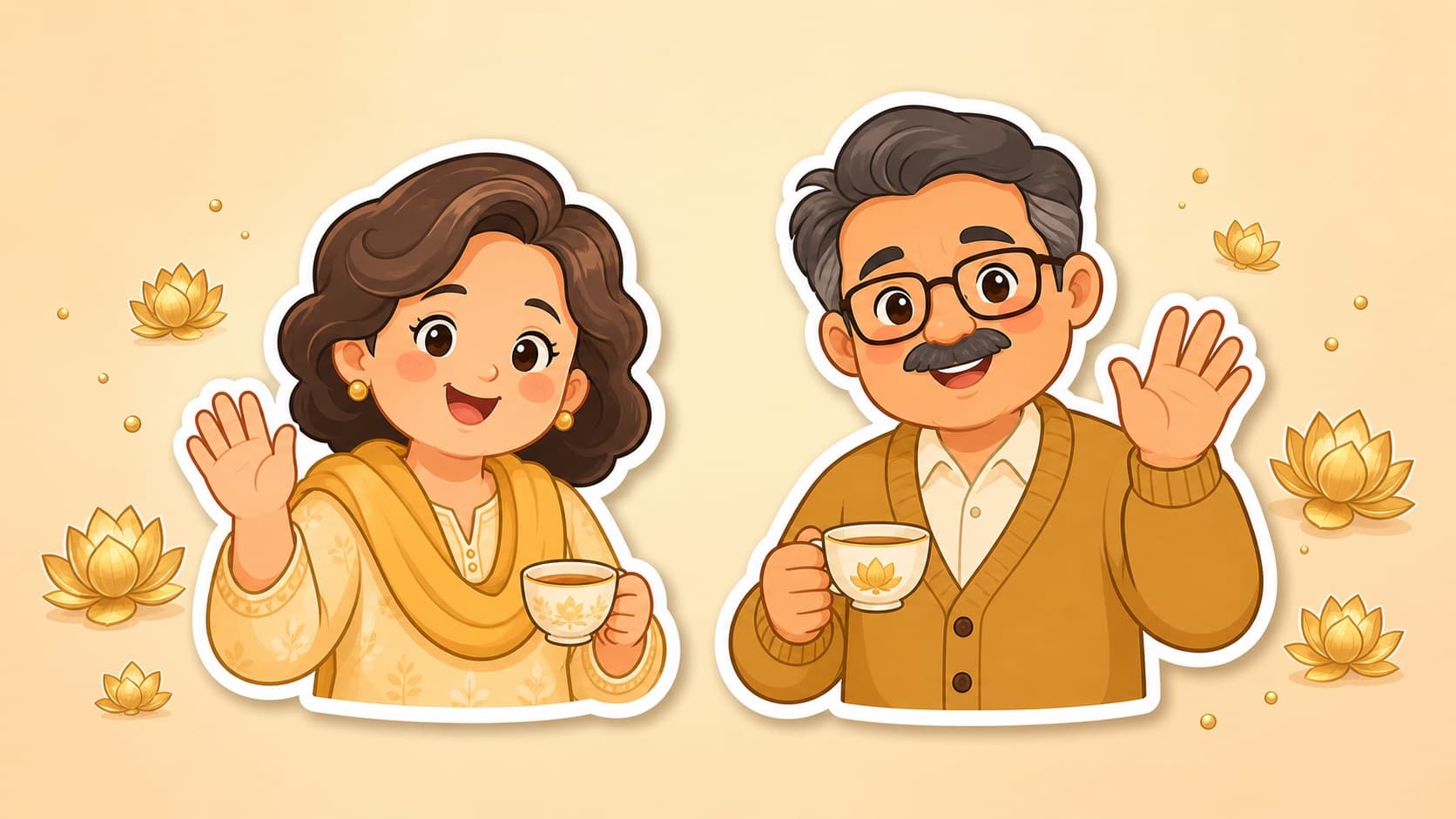
Parents don't want more stuff — they want to feel thought of. A sticker pack starring them costs nothing, lands emotionally, and becomes their social currency.